Huss Valley Runner Guide: Cross and Keep the Match Alive
Learn the Huss Valley runner objective, respond to changing chaser numbers, and keep resource pickups connected to a successful crossing.
As a Huss Valley runner, your job is to reach the opposite side without being caught. The runner objective is built around successful crossings; a caught player joins the chaser team in the following round, changing what the remaining runners face.
Read a crossing as part of the match
The documented runner win condition is three successful crossings without a runner being caught during those attempts. Follow the match's displayed progress rather than assuming any one trip across the field ends the game. Surviving a crossing gives you another round to manage.
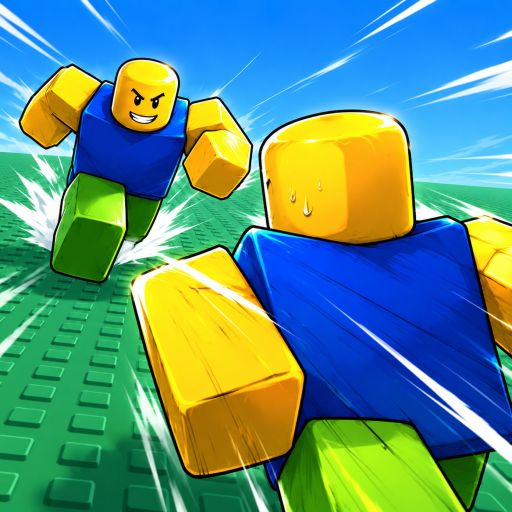
This beginner guide demonstrates the runner and chaser relationship. Watch the changing number of opponents as the match continues.
Your individual destination is clear, but the team situation changes around it. When someone is caught, the next crossing can include an additional chaser. A route that worked with one opponent may need a different opening when more players can cover the field.
Preserve the crossing when collecting resources
Runners can find gems around the arena, and match performance also produces gems and coins. Pick up a gem already close to a useful route when you can do so without abandoning the crossing. My priority is reaching the other side before taking a detour for a pickup.
That priority matters because being caught changes your role in the next round. A pickup is an immediate gain; remaining a runner preserves another chance to cross and collect. It is reasonable to leave a distant gem when reaching it would take you into a waiting chaser's path.
Keep the finish side as the route's endpoint. If an opponent forces you sideways, look for the opening that lets you continue forward afterward. The purpose of a dodge is to keep the crossing alive, not to stay beside the same opponent indefinitely.
Prepare for the next arrangement of players
| Event | What changes | Runner response |
|---|---|---|
| You reach the opposite side | The crossing succeeds | Prepare for the next round's direction. |
| A teammate is caught | That player joins the chasers next round | Reassess the openings between opponents. |
| A nearby gem appears along your line | A pickup may fit the crossing | Collect it only when the route remains workable. |
| You are caught | Your next-round role changes | Switch to the chaser objective when the new round begins. |
Look at the actual chaser positions before committing to another trip. Do not copy the previous route automatically just because it succeeded once. The match creates a new positioning problem when teams change.
Use items for the obstacle they address
Gems unlock permanent abilities, while coins buy consumables. Only one consumable can be equipped at a time. Rescue Kit offers a one-time revive after being downed; Adrenaline briefly improves acceleration and speed retention through turns. Those effects address different problems.
If your main problem is being downed before a crossing can continue, the revive effect has a clear purpose. If your main problem is negotiating a turn, the movement effect addresses that part of the route. Neither choice replaces identifying the destination and reading the chaser line.
Use the runner tips for more focused route decisions. This page explains your role through a match; the tips page concentrates on choosing an opening when you already understand the objective.
Runner questions
Why does a later crossing feel more crowded?
Caught runners join the chasers in the following round. The remaining runners may therefore face more opponents covering the same field.
Should I take every visible gem?
Prefer pickups that fit an existing crossing. A distant pickup is a poor trade when its route gives a chaser an easy interception.